SAP Human Capital Management
or SAP HCM for S/4HANA
In this specialist article, you will learn how the comprehensive SAP HCM (Human Capital Management) HR solution and the S/4HANA-based SAP H4S4 on-premise solution contribute to the digital support of all personnel processes in the company. It helps HR departments to effectively manage and develop employees – from recruitment to payroll – and consequently forms a central personnel management system for Human Capital Management.

Product Manager at FIS
What is SAP HCM?
SAP HCM, formerly known as SAP HR (Human Resources), is an integrated SAP HR system for the complete HR management. It covers all HR tasks in companies, including personnel administration, organizational management, payroll accounting (payroll), applicant management (recruiting) and personnel development.
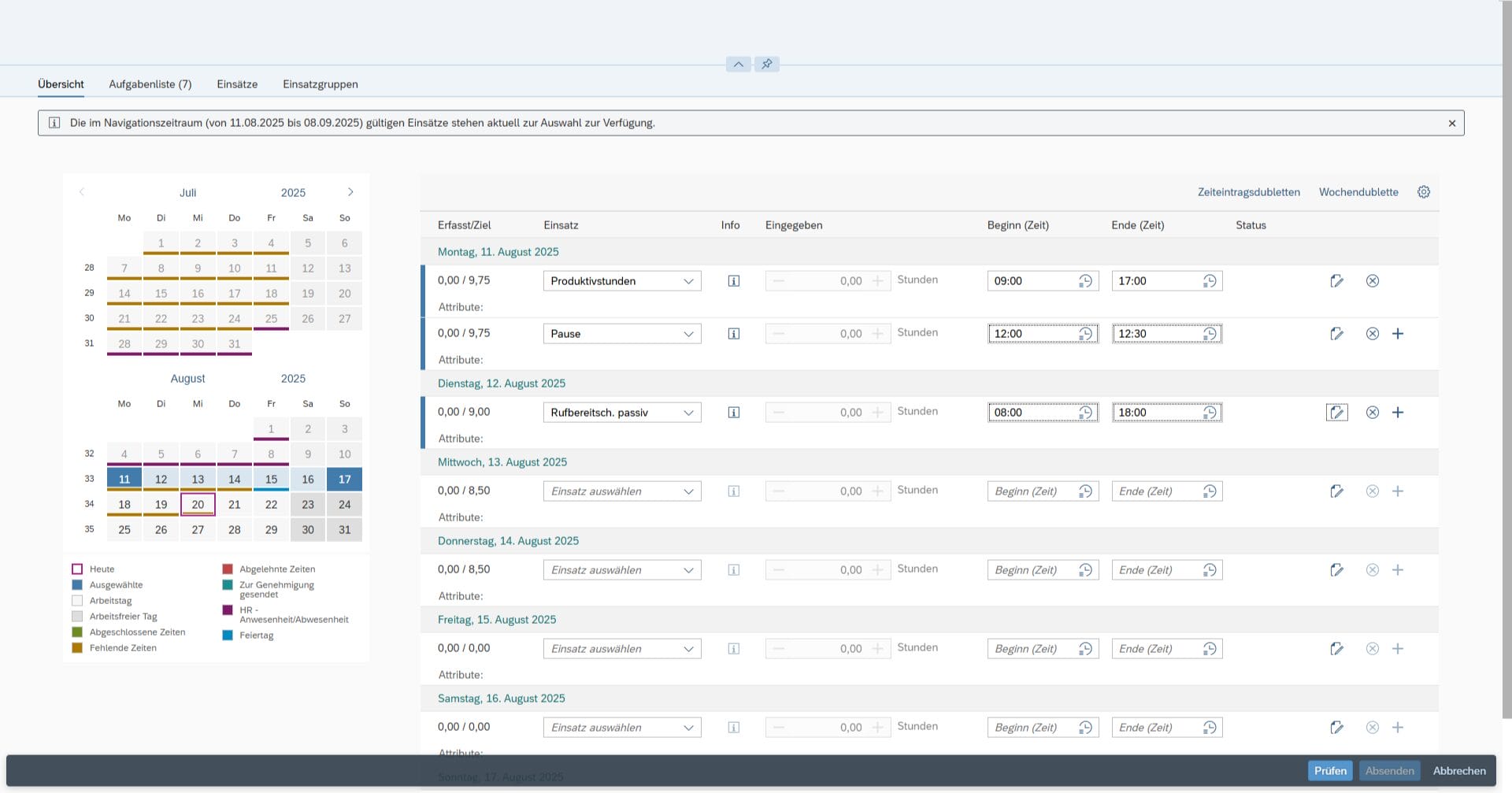
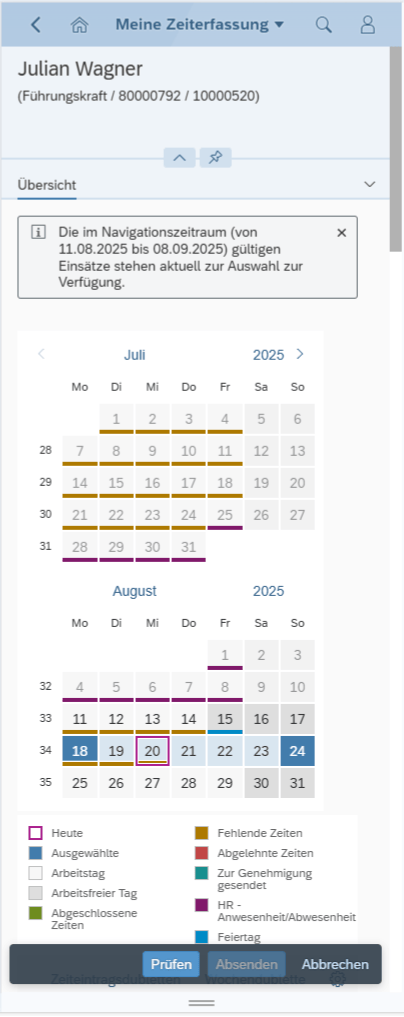
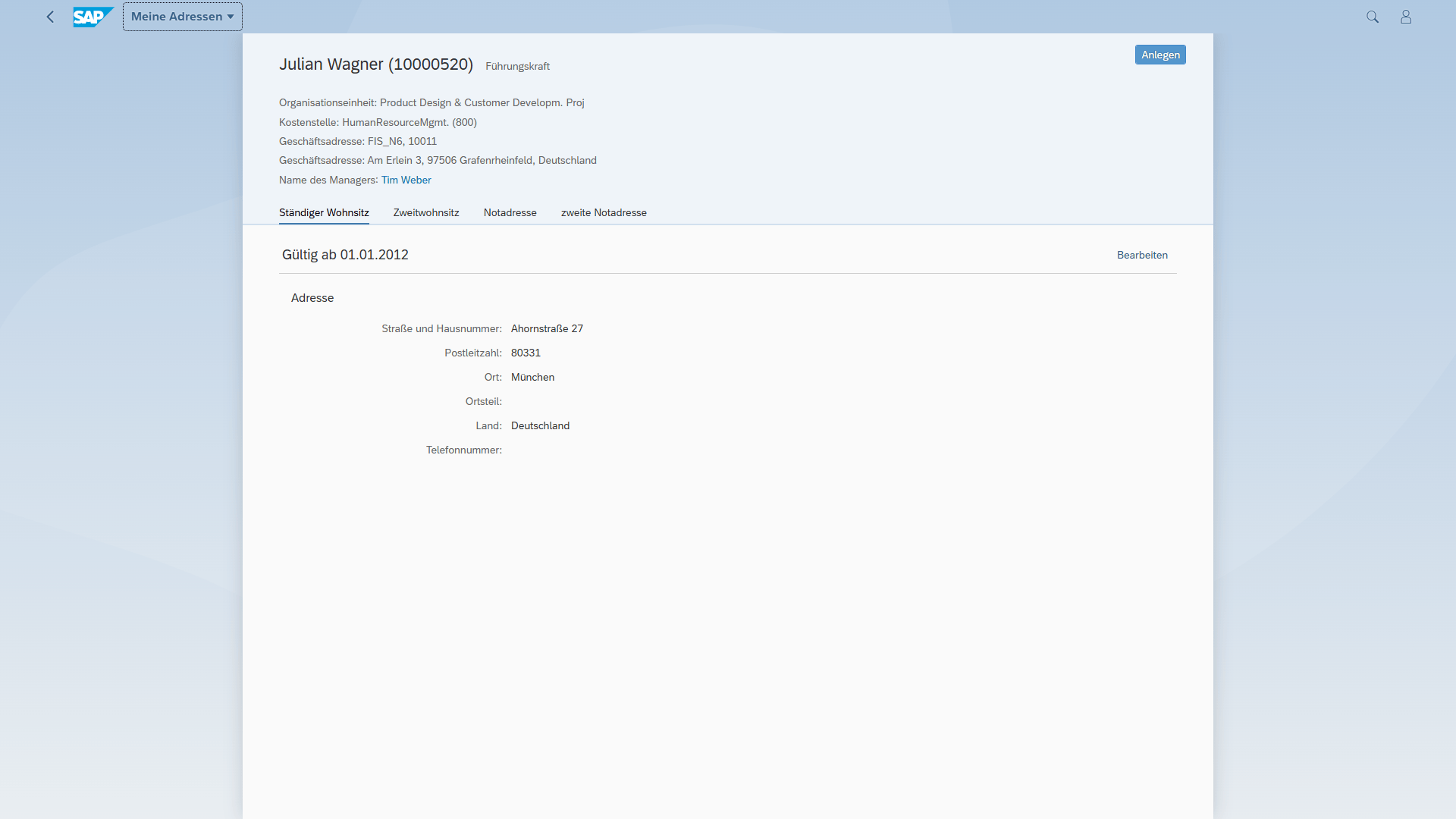
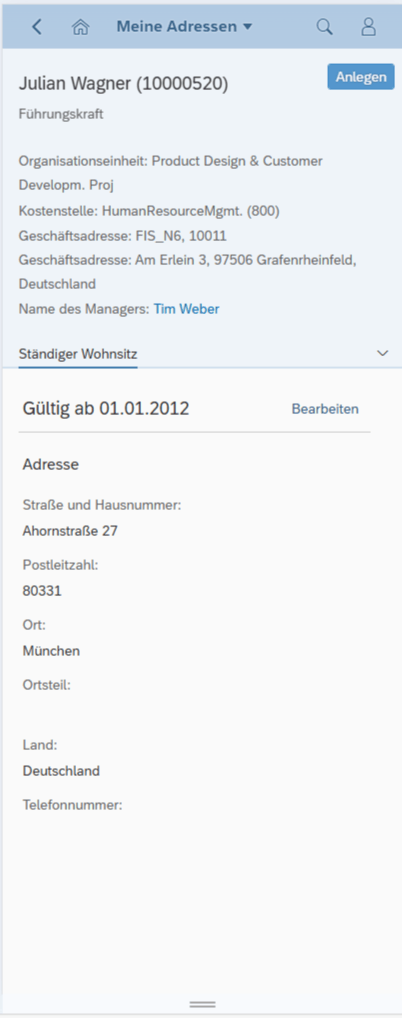

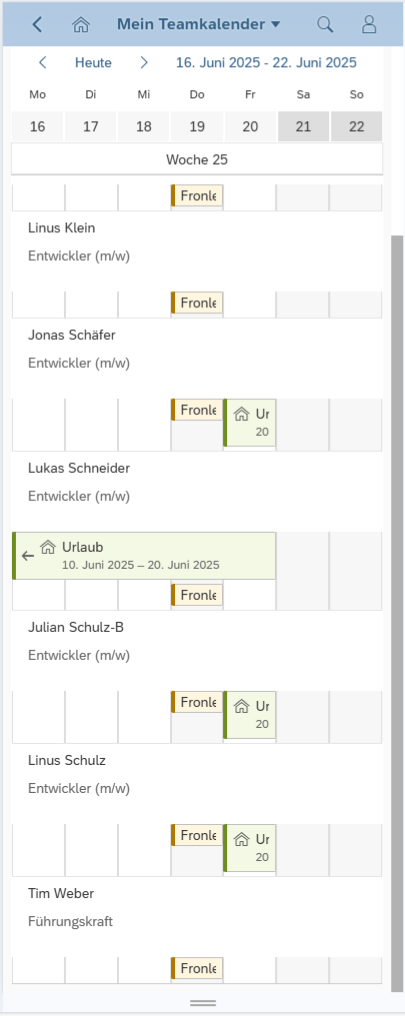
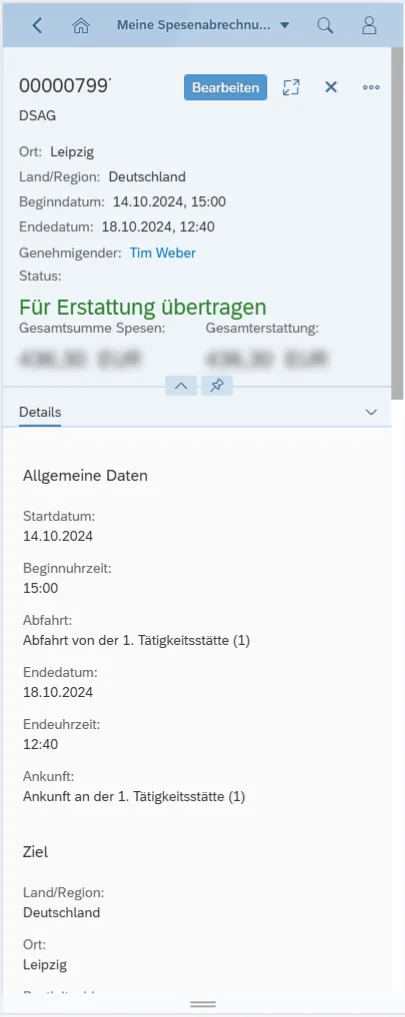
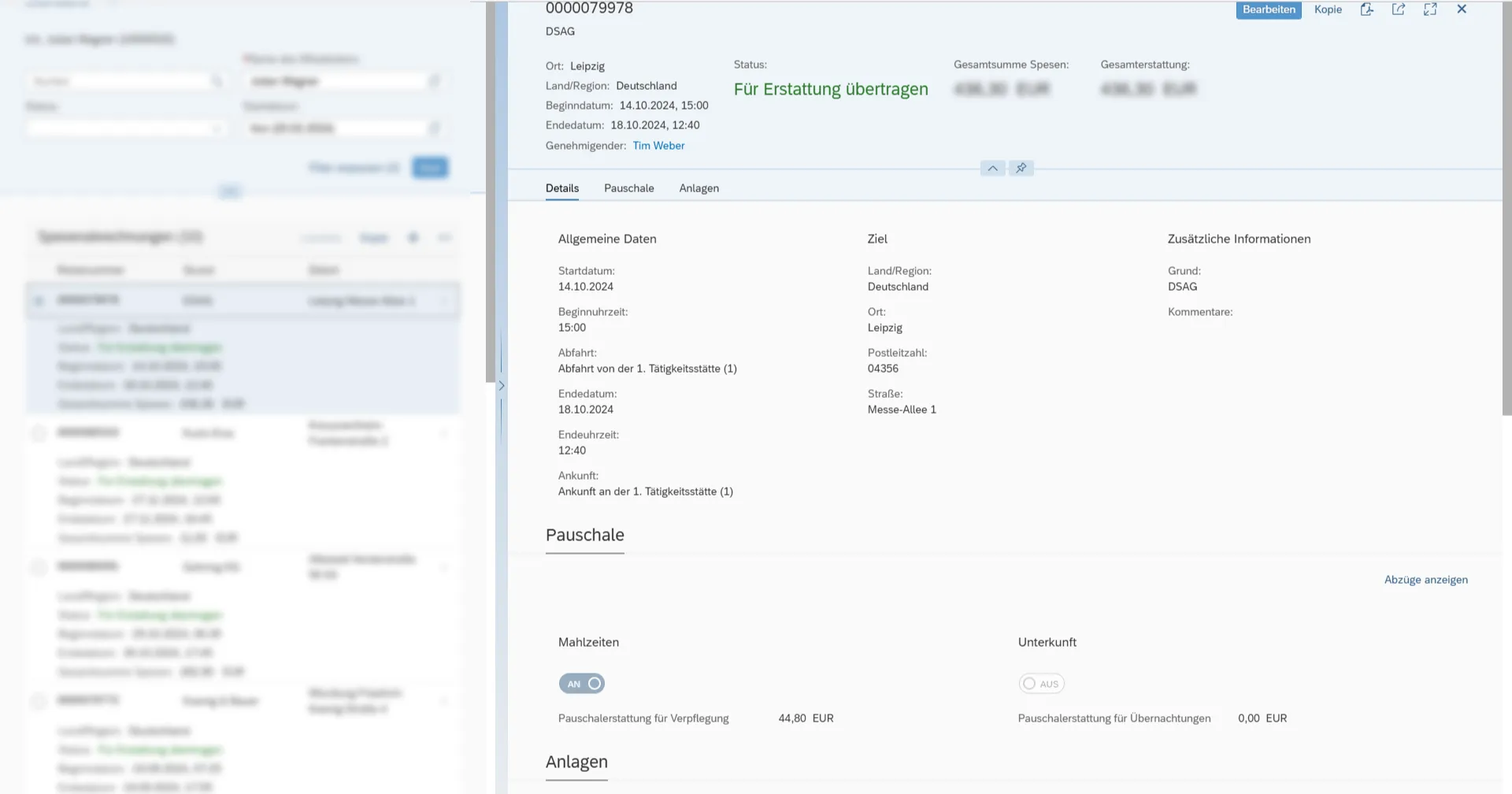
SAP HCM enables more than just administration: It connects personnel administration with strategic personnel management through multilevel workflows for applications and approvals. All HR functions are linked with each other and access central employee data.
Infotypes are an essential concept in SAP HCM. These are structured data objects that bundle all relevant information about an employee (e.g. HR master data, organizational assignment, working time). This clear data structure ensures consistent and comprehensible personnel information and faciliates HR reporting as well as analyses. In summary, SAP HCM significantly reduces the administrative workload of the HR department, giving it more time to focus on strategic HR issues.
As an on-premise solution, SAP HCM is typically part of SAP ERP and is often referred to as SAP ERP HCM. The SAP HCM system architecture is ABAP-based and can be integrated into other modules and external applications via defined interfaces (e.g.via ALE, IDocs). It is, for instance, interconnected with SAP FI/CO to ensure that accounting-based and HR processes (e.g. payroll accounting) interact seamlessly.
What functions and modules does SAP HCM provide?
SAP HCM has a modular structure. Companies can implement single SAP HCM modules and combine them as required since all submodules are based on the same master data and integrated with each other. The most important main components in SAP HCM are as follows:
Personnel administration (PA)
Core module for personnel administration where all HR master data is managed centrally and in a time-oriented manner. This module maps the digital personnel file and replaces paper-based files. Thanks to historical data storage, it is possible to trace at any time which employee was assigned to which organizational unit or pay scale group and when. Centralized personnel administration reduces errors, improves data quality and reduces manual effort.
Organizational management (OM)
Here, the company structure, organizational units, jobs and positions are mapped. Organizational management models hierarchies and reporting paths and serves as the basis for many processes, such as junior staff and applicant management as well as career and personnel planning for the workforce. Thanks to integration, changes in the organizational structure automatically affect authorizations and workflows.
Personnel time management (PT)
Module for time management and time recording. It supports the planning and recording of working times and absences and evaluates work performance. Employees can record their working hours using terminals or digital time recording tools, for instance, and correct them via self-services. The data entered is seamlessly integrated into payroll accounting so that overtime hours or shift allowances, for instance, are taken into account in the payroll.
Payroll (PY)
The SAP HCM payroll module for payroll accounting. Here, employee wages and salaries are calculated based on time data, compensation rules, collective agreements and legal requirements. Despite extensive automation, the system offers a payroll cockpit for manual interventions and corrections. Payroll in SAP HCM is highly customizable to map complex payroll rules. The payroll results are transferred to financial accounting and can be evaluated for HR reporting purposes.
Personnel recruitment (PR)/applicant management
Module for recruiting und e-recruiting. Companies can centrally manage job vacancies and publish job requirements or job descriptions online. SAP Applicant Management enables you to schedule job interviews, track deadlines and manage applications. Incoming applications can be recorded as master data and transferred directly to personnel administration upon hiring. This module supports efficient SAP recruiting via modern channels and creates transparency in the hiring process.
Talent management (personnel development)
Includes functions for performance reviews, career and succession planning and compensation management. In traditional SAP HCM, talent management consists of submodules such as Performance Management (PEM for target agreements and performance assessment) and Learning Solution (LSO for further training). This helps you plan development opportunities for employees, compare qualifications with vacancies and create individual development plans. Compensation Management is supported to ensure that salary adjustments, bonuses and premiums are managed transparently and fairly.
Event Management (PE)
Also known as SAP seminar management or training management. This module is used to plan and perform training programs, training courses and seminars for employees. HR developers can catalog events, organize trainers, rooms and materials and manage costs and budgets. After completing training courses, the qualifications acquired are entered directly into the employee master data. The SAP training system functionality enables you to maintain an internal course catalog, which supports learning management.
Further components
In addition, SAP HCM offers cross-sectional components such as Employee Self-Services (ESS) and Manager Self Services (MSS), which are often provided via an SAP employee portal. Employees and executives can use these portals to handle numerous HR matters themselves in the system – from leave requests and working time corrections to travel requests. Such self-services significantly reduce the workload of the HR department as applications can be submitted and approved digitally. In addition, SAP HCM is open to the integration of other SAP modules and external applications (e.g. SAP Travel Management for travel expense accounting).
What does the future of SAP HCM look like?
SAP ERP HCM has a limited time frame as SAP has announced that it will gradually phase out the support for SAP HCM as part of the transition to S/4HANA. Specifically, maintenance for SAP HCM in the SAP ERP 6.0 environment will only be guaranteed until the end of 2027 (mainstream maintenance). With fee-based extended maintenance, it is possible to use it until the end of 2030 at the latest. After that, support will end permanently. Companies that use SAP HCM must therefore consider succession solutions in good time.
SAP is strategically focusing on the cloud as a succession solution:
The future in the SAP HR area is called SAP SuccessFactors.
This cloud-based system, often referred to as SuccessFactors HCM Suite, includes all the functionalities of the classic SAP HCM solution – from Core HR (Employee Central for master data and personnel administration including organizational management and optional cloud-based payroll) to talent management modules, such as recruiting, onboarding, compensation and learning. SuccessFactors was originally developed as an independent talent management suite. It was acquired by SAP in 2011 and has been greatly expanded ever since.
Today, SAP SuccessFactors HCM is a complete HCM cloud solution that offers innovative features in addition to traditional functions (e.g. embedded AI, mobile self-services, regular quarterly updates). By combining SAP ERP HCM and the SuccessFactors cloud solution in a hybrid approach, you can make use of the advantages of on-premises and cloud environments. The HR core functions remain securely in the proven on-premises environment, while functions such as recruiting, talent management and a learning solution are managed in a modern and flexible manner in the cloud.
As an alternative, SAP provides with SAP HCM for S/4HANA (in short: H4S4) a variant based on SAP S/4HANA that is available both on-premises and in the private cloud. A committed term until 2040 applies here. For users running SAP HCM on-premises, the executability of the HR core functions, such as payroll and time management, is therefore still guaranteed. In addition, it is important to prepare the way towards the cloud in the next few years and to already make the transition step by step via hybrid scenarios for instance.
H4S4 is a temporary solution and primarily serves to give customers more time for transformation. Alternatively, hybrid models are also conceivable, in which parts of the HR landscape run in the cloud (SAP SuccessFactors) and other parts continue to run on-premise – for example, SuccessFactors Employee Central as central master data management combined with SAP Payroll and Time Management on-premise under S/4HANA.
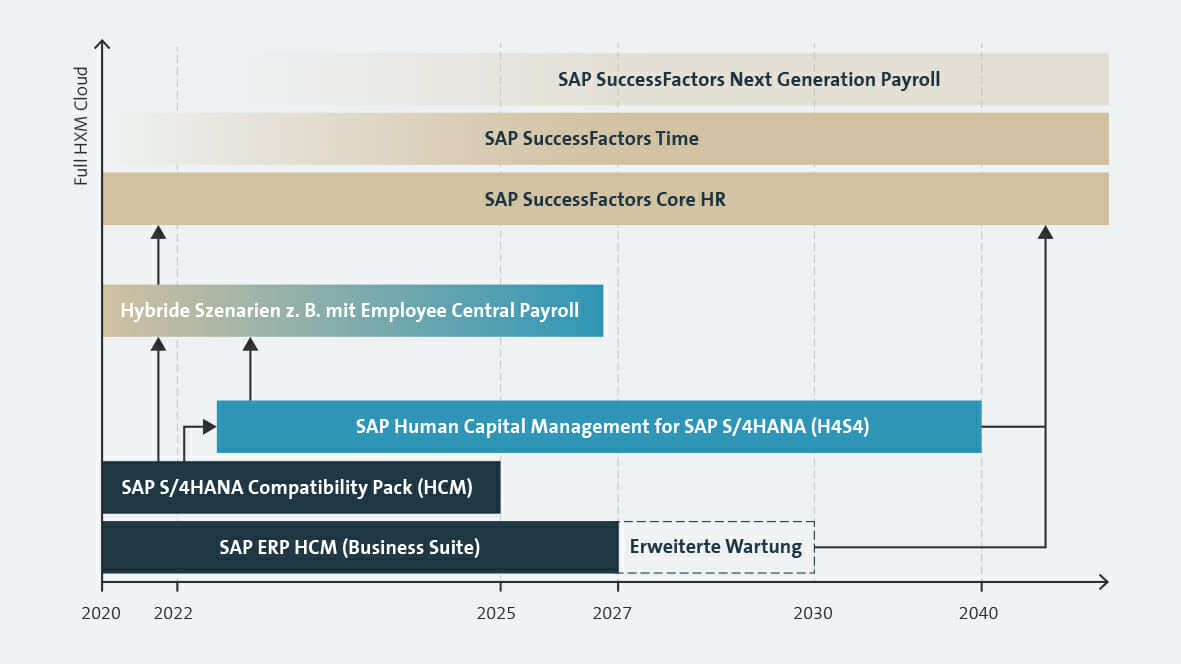
In summary, SAP customers in the HR sector have the following strategic options:
For customers, this means considering a transition in good time. The end of maintenance for SAP HCM should be seen as an opportunity to modernize your own HR IT strategy with SAP SuccessFactors. It is important to make use of the potentials of modern solutions – from smart automation and improved user experience to advanced analytics – in order to meet the growing demands on human resources, e.g. in the fight against the skills shortage and for more agile organizations.
What are the benefits of SAP HCM?
By automating administrative processes and using digital HR management systems, employees in human resources and administration can be supported in their daily work. Work steps are simplified and automated, particularly in personnel administration, payroll, travel expense accounting and time recording. This relieves employees of administrative tasks and gives them more time for other important HR activities.
Further benefits are:
Automation and time saving
Many previously manual tasks are digitized and partially automated by SAP HCM. Employees can apply for vacation online via ESS, for instance, and the system automatically forwards the request to the supervisor for approval. Routine tasks (e.g. payroll accounting) run in the background, allowing HR staff to spend less time on administration and focus more on strategic tasks. Digitization also reduces errors and rework.
Central data maintenance & consistency
All modules access a central HR master data base (SAP HCM Master Data). This means that HR master data only needs to be entered once and maintained in one place. Changes (e.g. a new employee address) take effect immediately for all processes. The uniform database increases data quality, transparency and traceability – every change is historically documented. Consistent data records avoid contradictions, which is important for audits or regulatory compliance for instance. In addition, increased security is provided due to optimized assignment of roles and authorizations.
Comprehensive coverage of all HR processes
SAP HCM maps all HR core processes from end to end – from recruitment and personnel administration to payroll accounting and personnel development. This elevates the HR department from a purely administrative function to a strategic partner of the business. Furthermore, the system supports complex requirements, such as shift models, tariff system, HR compliance (such as working hours acts) and local legal requirements in payroll. With SAP HCM Fiori apps, many of these functions can also be made available on mobile devices in a user-friendly way.
Versatile reporting and analytics
All HR data is consolidated and can be used for analyses and reports. SAP HCM includes reporting tools and can be linked to SAP Workforce Analytics or BI solutions to evaluate key figures (e.g. fluctuation rate, sickness ratio, personnel costs). HR managers gain insights into trends and can make forecasts – e.g. for personnel requirements or the impact of HR measures. Such HR reports and analyses create a data-based foundation for decisions and the alignment of the HR strategy.
Employee retention and motivation
SAP HCM supports employee development and motivation through integrated talent management tools (e.g. performance reviews, career planning, learning management). Development discussions, target agreements and training measures can be tracked systematically. In addition, self-services and modern user interfaces improve the employee experience, which has a positive effect on employee satisfaction. Committed, well-informed employees are more likely to stay with the company – an important factor, especially given the skills shortage.
Integration and extensibility
As part of the SAP ERP family, SAP HCM is seamlessly integrated with other modules, such as Financial Accounting (FI), Controlling, SAP ERP Logistics, etc. Data flows (such as for cost assignment of salaries) work automatically. Self-services for executives (MSS) also enable approvals or access to reports without any detours. The system can also be connected to third-party software (e.g. time stamp systems, applicant portals) via defined interfaces (SAP HCM interfaces). SAP HR workflow functions simplify the mapping of approval processes. If necessary, the system can be adapted to customer-specific requirements via ABAP developments (this is where SAP HR ABAP expertise comes into play). In summary, SAP HCM includes comprehensive functions and is flexibly adaptable to the needs of different companies.
How are data protection and audit compliance guaranteed in SAP HCM?
Efficient processes and error-free results are of particular importance in Human Capital Management. Customers who rely on the proven SAP Human Capital Management HR module benefit holistically. With its wide scope of services covering all HR core competencies, SAP HCM offers users a powerful and reliable HR solution.
Data protection and security play a distinguished role in human resources due to personal data. For additional protection of sensitive employee data, which goes far beyond the authorization system in the SAP standard version, and an audit-proof development, FIS offers an SAP optimization for migration and revision. Thanks to different components, SAP optimization FIS/hrd, which is individually adjusted to the respective enterprise, significantly increases the protection of personal information in the SAP system.
The application is fully integrated in SAP HCM and rounds off the complete FIS package for advanced HR management in SAP HR.
Conclusion
SAP Human Capital Management (HCM) as a classic on-premise HR solution offers a comprehensive and integrated solution for HR management in companies. It supports the management of all HR processes – from personnel administration and payroll to personnel development – and contributes to a more efficient way of working through automation, centralized data maintenance and modern self-services. Looking ahead, it is clear that SAP is promoting the transition to cloud-based solutions, such as SAP SuccessFactors, in order to meet the growing demands with regard to flexibility, innovation and data analysis. This means for companies that they should adapt their HR IT strategy in good time in order to benefit from the advantages of advanced and smart HR systems. In summary, SAP HCM helps optimize personnel processes, strengthen employee retention and consolidate the strategic role of the HR department within the company.